

Going, Going, Gone
The Sixth Mass Extinction and the Crisis of Being Human

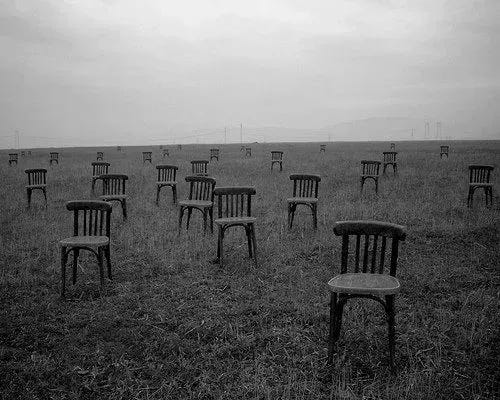
The Planet Has Become a Mirror
James Howard Kunstler wrote in The Long Emergency:
“If it happens that the human race doesn’t make it, then the fact that we were here once will not be altered, that once upon a time we peopled this astonishing blue planet, and wondered intelligently at everything about it and the other things who lived here with us on it, and that we celebrated the beauty of it in music and art, architecture, literature, and dance, and that there were times when we approached something godlike in our abilities and aspirations. We emerged out of depthless mystery, and back into mystery we returned, and in the end the mystery is all there is.”
Few reflections capture the existential dimension of the ecological crisis more honestly than this one. Kunstler does not sentimentalize humanity, nor does he reduce existence to despair. Instead, he situates human beings back inside reality itself. We are neither gods nor permanent masters of the Earth. We are a species that emerged briefly within a vast unfolding process we barely understand, capable of extraordinary intelligence, astonishing beauty, breathtaking cruelty, and catastrophic blindness simultaneously.
And yet there is something miraculous about the fact that consciousness emerged here at all.
For billions of years, the universe expanded in silence. Stars formed and died. Oceans gathered. Cells appeared. Life slowly unfolded through incomprehensible stretches of evolutionary time until eventually this planet produced beings capable of reflection, imagination, mathematics, poetry, music, philosophy, grief, love, architecture, and moral longing.
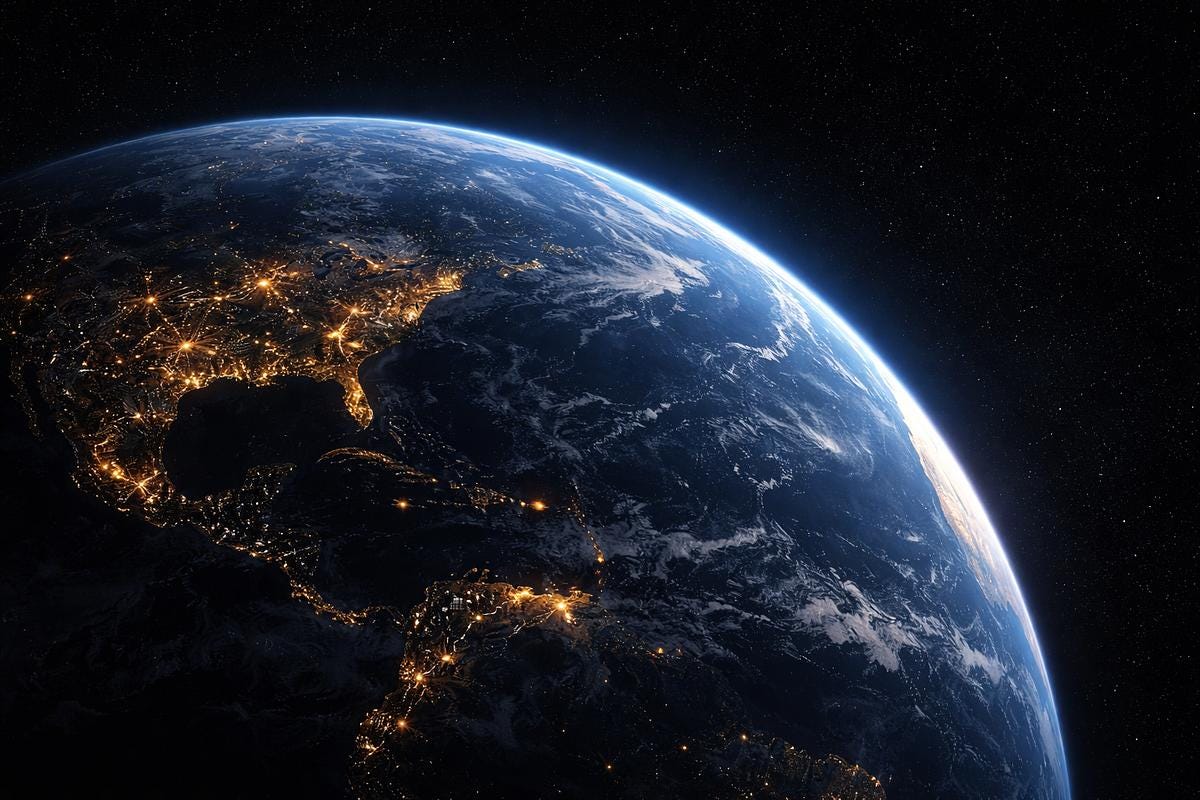
Human beings learned not only to survive, but to wonder. We painted cave walls long before we understood galaxies. We composed symphonies while suspended on a small blue planet drifting through cosmic darkness. We looked into the night sky and somehow became capable of asking what existence itself meant.
This is part of what makes the ecological crisis so existentially painful. The tragedy is not merely that ecosystems are destabilizing. It is that a species capable of such astonishing awareness has become capable of destabilizing the very conditions that made that awareness possible.
Modern civilization has become profoundly uncomfortable with this kind of perspective. Contemporary culture trains people to imagine humanity primarily through the language of progress, expansion, technological triumph, and endless advancement.
Most modern societies are psychologically organized around assumptions of continuity. Tomorrow is assumed to arrive. Civilization is expected to continue functioning. Technological innovation is trusted to solve increasingly complex problems. The systems surrounding us are treated as fundamentally stable, permanent, and self-correcting. Entire economies, institutions, and identities depend upon these assumptions remaining psychologically intact.
The Sixth Mass Extinction destabilizes those assumptions at a civilizational level.
What makes this moment uniquely existential is not merely ecological strain. Human history has always included environmental pressures, natural disasters, disease, instability, and collapse. The deeper psychological rupture is that humanity increasingly recognizes itself as the destabilizing force. The crisis is not arriving from outside civilization like an invading army or a random cosmic accident. Modern industrial civilization itself is producing conditions that destabilize the biological systems upon which its own existence depends.
The idea of the “more-than-human world” directly challenges the civilizational mindset underlying ecological collapse. Modern industrial society increasingly treats forests, oceans, animals, and ecosystems not as forms of life within a shared reality, but as resources for extraction, consumption, expansion, and economic growth.
The ecological crisis is a crisis of perception. Many modern humans no longer experience themselves as participants within a living reality to which they belong. The more-than-human world becomes background scenery rather than a living community upon which human existence depends.
The deeper question becomes: What happens to human consciousness when an entire civilization forgets that it belongs to a world it did not create and cannot survive without?
This realization carries enormous psychological weight because it destabilizes many of modernity’s central assumptions. Technological sophistication no longer appears synonymous with wisdom. Economic growth no longer automatically signifies human flourishing. Even the idea of “progress” becomes unstable when the systems generating material advancement simultaneously erode the conditions necessary for meaningful life.
The Sixth Mass Extinction is therefore not merely an environmental issue sitting alongside other social concerns. It is a confrontation with the deeper structure of modern consciousness itself.
The Sixth Mass Extinction is not only an ecological crisis. It is the exposure of a civilization psychologically estranged from reality itself. This forces humanity to ask questions industrial civilization has spent centuries attempting to avoid.
What kind of creatures acquire immense power before developing the wisdom to survive it? What happens when intelligence outpaces psychological maturity? What forms of consciousness emerge inside civilizations organized around extraction, acceleration, consumption, and endless expansion?
And perhaps most unsettling of all: can a civilization psychologically addicted to endless growth willingly accept limits before reality imposes them catastrophically?
They are existential questions.
And the angst surrounding them reveals how profoundly modern civilization struggles to relate honestly to vulnerability, mortality, limitation, and consequence.
The Species That Learned to Unmake Worlds
To understand the magnitude of the present crisis, it is important first to understand what scientists mean by a “mass extinction.” Throughout Earth’s history, life has not evolved through smooth continuity. The history of this planet includes repeated periods of catastrophic disruption in which enormous percentages of species disappeared within geologically short periods of time.
Scientists generally identify five previous mass extinction events over the last half-billion years. Entire ecosystems vanished. Dominant species disappeared permanently. Evolutionary trajectories shifted dramatically. The most widely recognized of these events occurred approximately sixty-six million years ago when an asteroid impact contributed to the extinction of the dinosaurs. Other extinction events were even more devastating, radically reshaping life on Earth itself.
Scientists increasingly argue that humanity is now driving a sixth such event.
What makes the present moment historically unprecedented is not merely the scale of ecological destabilization, but the speed and concentration of human extraction. For most of human history, civilizations remained constrained by local ecosystems, geography, biological energy limits, and relatively slow technological development. Human societies certainly altered landscapes and contributed to localized ecological collapses, but industrial modernity represents something historically unique.
For the first time, a single species acquired the capacity to destabilize planetary systems simultaneously.
Fossil fuels allowed industrial civilization to access immense stores of concentrated ancient energy accumulated across hundreds of millions of years. Oil, coal, and natural gas are, in a very literal sense, stored ancient sunlight compressed into geological form.
Industrial civilization unleashed this stored energy with astonishing speed.
Population growth accelerated dramatically. Consumption expanded exponentially. Extraction intensified across continents. Forests, oceans, freshwater systems, biodiversity, minerals, and atmospheric conditions became increasingly subordinated to industrial expansion and economic growth.
What scholars call “The Great Acceleration” following the Second World War marked perhaps the most rapid transformation of the Earth system ever produced by a single species. Human activity began altering atmospheric chemistry, species distribution, oceanic systems, freshwater cycles, biodiversity, and planetary temperatures simultaneously.
This is one reason many scientists now describe the present era as the Anthropocene: a period in which human civilization itself has become a planetary force capable of reshaping the Earth on geological scales.
No previous civilization possessed this kind of power.
And no previous civilization faced the existential consequences accompanying it.
What distinguishes the Sixth Mass Extinction from previous extinction events is not simply its scale, but its source. Earlier extinction periods resulted primarily from forces outside biological control: asteroid impacts, volcanic eruptions, atmospheric shifts, or dramatic climatic transformations. The current extinction event, however, is largely anthropogenic. Human civilization itself has become the destabilizing mechanism.
Industrialization, deforestation, habitat destruction, industrial agriculture, overfishing, fossil fuel combustion, pollution, ocean acidification, biodiversity collapse, and climate destabilization are accelerating species loss far beyond historical background extinction rates. Coral reefs bleach and die. Forest ecosystems fragment. Insect populations collapse. Freshwater systems deteriorate. Species disappear before scientists fully identify them.
In many places, ecological collapse does not initially announce itself through dramatic catastrophe, but through silence.
Windshields that once collected insects after summer drives now remain strangely clean. Forests that once vibrated with birdsong grow quieter. Seasonal migrations thin. Coral reefs become underwater graveyards of bleached white skeletons. Entire forms of life disappear gradually enough that absence itself becomes normalized.
This is one reason ecological destabilization can be psychologically difficult to perceive clearly. Human beings adapt remarkably quickly to diminished realities. Each generation unconsciously recalibrates its sense of what is “normal” according to the conditions it inherits. What once would have felt ecologically impoverished slowly becomes accepted as ordinary background existence.
Yet perhaps the most psychologically revealing aspect of the Sixth Mass Extinction is how difficult it remains for many people to emotionally comprehend. Human beings struggle to process slow-moving catastrophe. Ecological collapse unfolds gradually, unevenly, and often invisibly. Species disappear quietly. Oceans acidify beneath public awareness. Forests thin slowly. The atmosphere warms incrementally. Psychological adaptation allows populations to normalize deterioration while continuing ordinary routines.
Modern civilization is especially vulnerable to this normalization because contemporary culture increasingly disconnects people from direct participation in ecological reality. Many individuals experience nature primarily through mediated representations rather than lived relationship. Entire populations therefore remain psychologically insulated from ecological degradation until consequences become immediate and unavoidable.
This creates a dangerous paradox.
Humanity now possesses extraordinary scientific capacity to measure ecological destabilization while simultaneously lacking the psychological capacity to metabolize what those measurements mean. Information alone does not produce transformation. Data alone does not generate wisdom.
The Sixth Mass Extinction therefore exposes a deeper civilizational contradiction: humanity has developed immense technological power without developing equivalent existential maturity.
And that imbalance may ultimately define the crisis itself.
The Great Estrangement
There are now children who have never experienced a night sky untouched by artificial light.
One of the defining psychological characteristics of modern industrial civilization is the illusion that human beings exist separately from nature rather than within it. This illusion may be one of the most consequential distortions in human history because it fundamentally reshapes how individuals relate to existence itself.
For most of human history, people lived in direct, unavoidable relationship with ecological systems. Human survival depended visibly upon weather patterns, seasons, soil conditions, migration cycles, water availability, biodiversity, and local ecosystems. Nature was not experienced as a recreational backdrop or aesthetic accessory. It was the surrounding reality within which human life unfolded continuously.
This direct relationship shaped human consciousness profoundly.
Human beings evolved inside a living world of extraordinary beauty and complexity. Forests older than civilizations stretched across continents long before modern nations existed. Whale songs moved through oceans before human language emerged. Migration patterns unfolded across skies for thousands of years with astonishing precision. Entire ecosystems operated through intricate forms of reciprocity, adaptation, and interdependence beyond anything human engineering has fully replicated.
For most of human history, people encountered these realities directly. Night skies remained visible. Seasons shaped emotional and communal life. Rivers, animals, storms, stars, oceans, mountains, and forests formed part of humanity’s existential environment. The natural world was not experienced merely as scenery. It was experienced as mystery, presence, danger, beauty, nourishment, and participation within something immeasurably larger than the isolated self.
Modern civilization increasingly severed these relationships.
Forests, oceans, deserts, rivers, mountains, animals, stars, seasons, storms, and landscapes formed part of humanity’s symbolic and psychological world. Mythologies emerged from ecological participation. Spirituality emerged from direct confrontation with mystery, dependence, mortality, beauty, and vulnerability within the living world. Rituals reflected seasonal cycles. Human identity developed through relationship to place, land, ancestry, and ecological continuity.
The result has been a growing form of ecological estrangement: a condition in which human beings remain biologically dependent upon living systems while becoming psychologically detached from direct participation in them. Many modern individuals now live surrounded by technological mediation yet increasingly deprived of sustained contact with the ecological realities supporting their existence.
Industrialization, urbanization, technological mediation, and consumer capitalism increasingly insulated people from direct ecological participation. Climate-controlled buildings, global supply chains, artificial lighting, pharmaceuticals, digital technologies, and industrial infrastructure created the sensation that human beings had transcended biological dependence. Nature became reframed primarily as property, resource, commodity, scenery, or raw material for economic production.
This transformation altered not only economies, but consciousness itself.
Modern individuals increasingly inhabit environments dominated by abstraction, mediation, and artificial stimulation.
Millions of people now spend their days moving between illuminated screens inside climate-controlled environments while remaining largely detached from the living systems sustaining them. Cities glow so brightly at night that entire populations rarely encounter truly dark skies anymore. Many children recognize corporate logos more easily than native tree species. Human attention increasingly flows toward algorithms, notifications, entertainment feeds, and digital performance while direct sensory participation in the living world steadily diminishes.
At the very moment ecosystems destabilize globally, many human beings experience less direct contact with ecological reality than any civilization in history.
Increasingly, people spend the overwhelming majority of their lives inside built environments interacting primarily with screens, systems, brands, algorithms, and symbolic representations rather than with living ecosystems. Human sensory experience becomes progressively detached from ecological reality.
The psychological consequences of this estrangement are enormous.
Human beings evolved as embodied organisms embedded within living systems. The nervous system itself developed through relationship with natural environments. Yet contemporary life increasingly disconnects people from embodiment, seasonality, ecological continuity, stillness, and direct participation in non-human reality. Many individuals now exist in chronically overstimulated, technologically mediated environments that continually fragment attention and weaken experiences of grounded presence.
This estrangement produces existential instability because human beings are not actually separate from the ecological systems they psychologically attempt to transcend. Beneath technological sophistication remains an organism dependent upon biological continuity. The illusion of separation can temporarily obscure dependence, but it cannot eliminate it.
The ecological crisis therefore destabilizes modern consciousness precisely because it interrupts this illusion.
Climate instability, biodiversity collapse, ecosystem failures, and environmental degradation confront humanity with realities industrial civilization has spent centuries psychologically suppressing: vulnerability, limitation, dependence, mortality, and interdependence.
The fantasy of human exceptionalism begins to fracture.
And beneath that fracture lies an unsettling recognition: modern civilization may not represent liberation from nature so much as profound alienation from the conditions necessary for psychological and ecological sanity.
The Collapse of Future Imagination

The Sixth Mass Extinction is not only destabilizing ecosystems. It is destabilizing humanity’s relationship to meaning, continuity, and future orientation itself.
The crisis is not only environmental.
It is existential, psychological, and civilizational.
One of the most psychologically significant aspects of modern civilization is that it depends heavily upon implicit assumptions of permanence. Most people organize their lives around expectations of continuity. Individuals assume institutions will endure. Economies assume growth will continue. Governments assume infrastructure stability. People plan careers, families, retirement, education, and identity around confidence in long-term social continuity.
Ecological destabilization quietly erodes that confidence.
What makes this existentially disorienting is that the destabilization often occurs beneath conscious awareness. We increasingly experience the future not as a space of possibility, but as a source of anxiety.
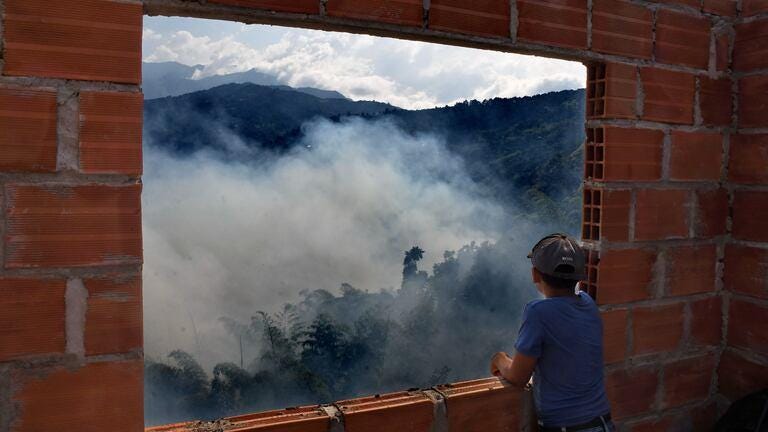
Entire generations are now growing up within the psychological atmosphere of ecological instability. Smoke-filled summers, extreme heat warnings, disappearing winters, drying rivers, collapsing fisheries, mass extinction headlines, and recurring climate disasters increasingly form part of ordinary background consciousness. For many younger people, ecological disruption no longer feels like a distant future possibility discussed abstractly in science classrooms. It feels woven into the emotional texture of life itself.
This changes the experience of the future in ways societies are only beginning to understand.
Younger generations especially inherit a world psychologically saturated with instability. Climate anxiety, ecological dread, economic precarity, political polarization, technological acceleration, and social fragmentation converge into a broader civilizational atmosphere of uncertainty.
This affects existential health profoundly because human beings require some degree of continuity to sustain psychological orientation. When continuity weakens, individuals often experience destabilization not only cognitively, but emotionally and physiologically. Anxiety intensifies. Attention fragments. Meaning structures weaken. Future imagination narrows.
Modern societies are not only experiencing environmental anxiety. They are experiencing the collapse of future imagination itself.
The future increasingly feels difficult to picture coherently, trust emotionally, or inhabit psychologically. This is one reason ecological destabilization affects people so deeply even when they are not consciously preoccupied with climate science or biodiversity collapse. Human beings require some believable relationship to the future in order to sustain motivation, continuity, identity, and meaning. When future imagination weakens, existential instability intensifies.
The nervous system shifts toward chronic vigilance.
We struggle to articulate this condition because modern culture lacks adequate language for ecological grief and existential destabilization. As a result, distress frequently manifests indirectly through burnout, numbness, distraction, compulsive consumption, emotional exhaustion, cynicism, or chronic low-grade despair.
Yet beneath these symptoms often lies grief.
Part of what makes ecological grief so difficult to process is that human beings are mourning realities far older and larger than themselves. Species shaped across millions of years disappear within centuries or decades. Ancient forests fall within a single human lifetime. Coral ecosystems built slowly across evolutionary time bleach and die within warming oceans. Migration patterns that once stitched continents together begin unraveling quietly overhead.
There is something profoundly tragic about witnessing forms of beauty older than civilizations destabilized within the span of industrial modernity.
And we feel this grief even when we cannot fully articulate it.
Not only grief for endangered species or damaged ecosystems, but grief for the erosion of stability itself. Grief for the disappearance of a world that once felt more coherent, more alive, more trustworthy, and more capable of sustaining meaningful continuity across generations.
This grief becomes especially complicated because it unfolds ambiguously. Ecological collapse rarely presents itself through one singular catastrophic moment. Instead, people witness gradual deterioration spread across decades: disappearing species, weakened ecosystems, hotter summers, unstable weather patterns, vanishing biodiversity, collapsing coral reefs, shrinking forests, declining insect populations. The cumulative effect becomes psychologically difficult to metabolize because the losses are distributed, ongoing, and often normalized socially before they are consciously mourned.
Modern civilization responds poorly to this kind of grief because contemporary culture remains deeply uncomfortable with vulnerability, mortality, and limitation. Societies organized around stimulation, productivity, and distraction often lack structures capable of helping individuals process existential sorrow honestly.
As a result, people frequently oscillate between denial and apocalypse.
Some retreat into technological utopianism, imagining innovation will permanently rescue humanity from consequence. Others collapse into fatalism, assuming ecological destabilization renders meaning impossible. Both responses function psychologically as avoidance strategies.
One avoids vulnerability through fantasies of total control. The other avoids responsibility through hopelessness.
Existential maturity requires something much more difficult: the capacity to remain psychologically present to reality without collapsing into either illusion or despair.
And this may become one of the defining developmental challenges of the twenty-first century.
The Slow Collapse of the Modern World
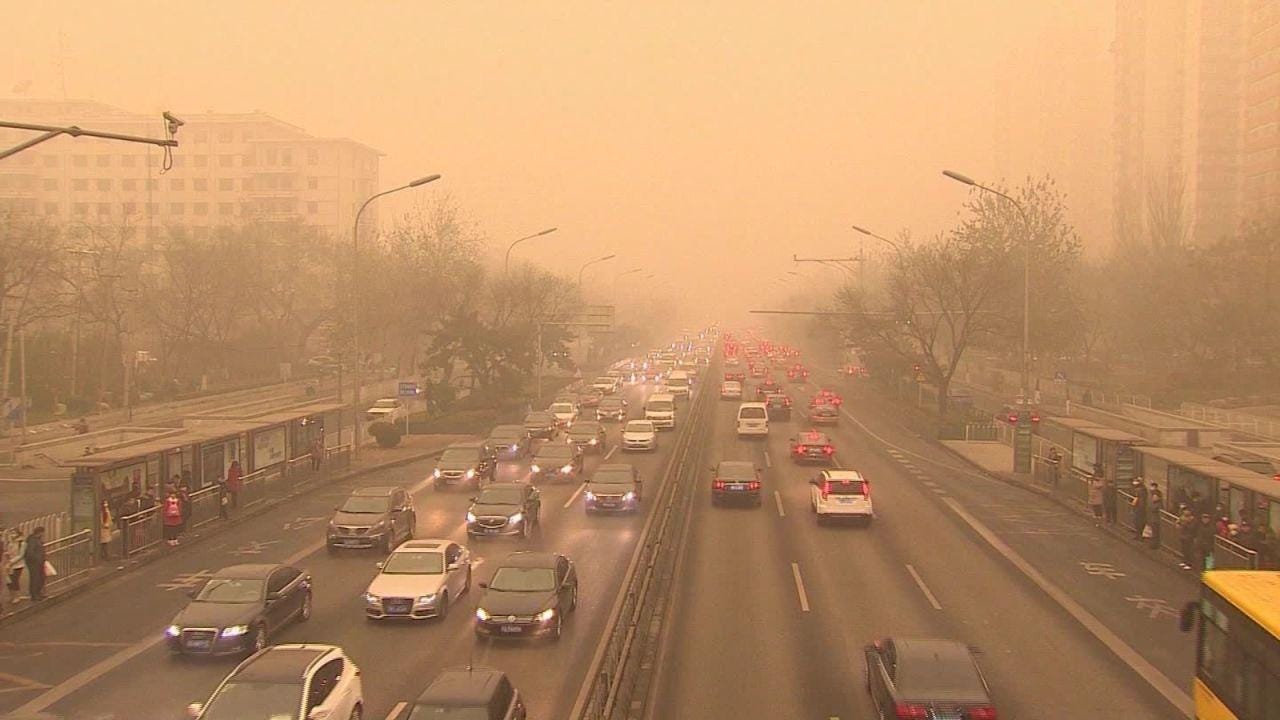
One of the most psychologically destabilizing aspects of civilizational decline is that it rarely arrives in the dramatic form people imagine. Modern culture often pictures collapse cinematically: sudden catastrophe, burning cities, immediate institutional breakdown, apocalyptic finality. But civilizations typically unravel far more unevenly than this. The deeper reality is often slower, stranger, and psychologically disorienting precisely because normal life continues functioning while foundational forms of continuity quietly weaken underneath it.
This is partly why many modern people struggle to interpret the historical moment they are living through. The grocery stores remain open. The internet still functions. Flights still depart. Financial systems still operate. Entertainment remains endless. Yet beneath the appearance of continuity, enormous numbers of people increasingly experience life as unstable, fragmented, exhausted, disoriented, and psychologically unsustainable. Something feels wrong long before people can fully articulate what it is.
Part of what modern society now experiences is a form of civilizational dissociation. Daily life continues functioning outwardly while deeper systems of continuity weaken underneath. Institutions remain operational even as trust erodes. Consumption continues even as meaning deteriorates. People adapt psychologically to instability by normalizing fragmentation rather than fully confronting it.
Dmitry Orlov, in The Five Stages of Collapse, offers a framework that becomes useful precisely here. Orlov argues that collapse often unfolds in stages rather than through singular catastrophic events. Financial systems destabilize first. Commercial systems weaken. Political legitimacy erodes. Social cohesion fractures. Cultural continuity deteriorates. Ecological destabilization both accelerates and magnifies these processes simultaneously. Collapse is not merely an event. It is the progressive weakening of the systems that allow human beings to experience continuity, orientation, trust, and predictability within collective life.
History repeatedly demonstrates that civilizations often struggle to recognize their own destabilization while living through it. The citizens of late Rome did not wake up one morning suddenly aware they were inhabiting “the fall of Rome,” just as ecological overshoot on Easter Island accumulated gradually until the systems supporting continuity could no longer sustain the civilization built upon them. In both cases, political strain, environmental degradation, weakening social cohesion, and declining confidence in the surrounding order unfolded slowly enough that daily life continued even as deeper structures weakened underneath it.
The modern world differs in one terrifying respect: previous collapses remained regionally contained.
Industrial civilization is planetary.
For the first time in human history, ecological destabilization, technological acceleration, financial interdependence, political fragmentation, digital hyperconnectivity, and global extraction systems operate at civilizational scale simultaneously. Humanity now inhabits a historically unprecedented condition in which local crises increasingly reverberate globally across tightly interconnected systems.
The destabilization is not occurring in one institution, nation, or ecosystem alone. It is occurring across multiple layers of civilization simultaneously.
When systems that once organized reality begin weakening simultaneously, individuals often experience forms of psychological destabilization that appear disconnected on the surface but are deeply related underneath.
People experience the erosion of institutional trust. They witness political paralysis, economic precarity, ecological instability, algorithmic manipulation, information fragmentation, weakening social cohesion, and chronic uncertainty simultaneously. The result is not merely anxiety about isolated problems. It is a growing loss of confidence in the continuity of the surrounding world itself.
Many individuals increasingly struggle to imagine stable futures. Long-term orientation weakens. Institutions once assumed permanent appear fragile. Shared narratives deteriorate. Communities fragment. Digital life accelerates abstraction and disembodiment. Human relationships become thinner and more transient. Even identity itself becomes increasingly unstable inside hyper-mediated environments that reward performance over groundedness and stimulation over coherence.
What we experience psychologically today is not simply stress.
It is continuity breakdown.
And continuity breakdown carries profound existential consequences because human beings organize meaning through perceived continuity across time. Individuals need to feel connected to something enduring beyond immediate survival and stimulation. They need some relationship to memory, place, belonging, future orientation, and shared reality. When these structures weaken simultaneously, existential instability intensifies.
This is one reason the ecological crisis feels psychologically heavier than many people consciously understand. Climate destabilization and biodiversity collapse are unfolding alongside broader forms of institutional, cultural, relational, and symbolic fragmentation.
The Sixth Mass Extinction is therefore not occurring within a psychologically healthy civilization capable of responding coherently to crisis. It is unfolding inside societies already marked by profound exhaustion, alienation, distraction, loneliness, polarization, and existential disorientation.
In this sense, ecological collapse is not an isolated crisis sitting beside otherwise stable systems. It is interacting with multiple forms of civilizational destabilization simultaneously.
Financial instability.
Political distrust.
Social fragmentation.
Psychological exhaustion.
Ecological breakdown.
These conditions reinforce one another.
Some contemporary thinkers have begun describing this convergence of ecological, psychological, technological, political, economic, and existential destabilization as a “metacrisis”: not one isolated problem, but a network of interconnected crises amplifying one another simultaneously. The term matters because it recognizes that many forms of modern instability cannot be understood separately anymore. Ecological collapse interacts with technological acceleration. Psychological fragmentation interacts with political polarization. Economic precarity interacts with meaninglessness and institutional distrust. The crises compound one another.
And perhaps the deepest layer of collapse is existential.
Human beings lose not only systems, but orientation. They lose continuity, symbolic grounding, future imagination, shared meaning structures, and trust in the stability of reality itself. The result is often not dramatic panic, but chronic psychological destabilization: numbness, cynicism, emotional fatigue, compulsive distraction, hopelessness, fragmentation, and difficulty imagining meaningful futures.
Modern civilization increasingly produces populations saturated with stimulation yet deprived of grounding.
This may ultimately become one of the defining psychological realities of the twenty-first century: millions of people attempting to construct meaningful lives inside systems they no longer fully trust, futures they no longer fully believe in, and ecological conditions that no longer feel stable or permanent.
The existential challenge, then, is not merely surviving collapse materially.
It is learning how to remain psychologically coherent, morally grounded, relationally alive, and existentially awake within conditions of deepening instability.
The Future No Longer Feels Real

For many younger people, the future no longer feels like a destination.
It feels like instability approaching.
One of the least discussed consequences of ecological and civilizational destabilization is the gradual collapse of future imagination itself.
Human beings require some believable relationship to the future in order to remain psychologically oriented. People build identities, relationships, families, careers, communities, and meaning structures partly through assumptions of continuity. Even ordinary daily life depends upon an underlying belief that tomorrow exists in some coherent relationship to today. The future functions not only as chronological time, but as psychological structure. It allows human beings to imagine themselves moving toward something.
When confidence in the future weakens, existential instability intensifies.
This is increasingly visible across modern societies, particularly among younger generations inheriting ecological uncertainty, economic precarity, institutional distrust, technological acceleration, political fragmentation, and cultural exhaustion simultaneously. We now unconsciously experience the future less as a space of possibility and more as a source of anxiety, instability, or impending disruption.
The result is not always dramatic panic. More often, it appears as chronic disorientation, emotional fatigue, shortened time horizons, difficulty imagining meaningful long-term life trajectories, and a growing sense that permanence itself may no longer be trustworthy.
The ecological crisis intensifies this dramatically because climate instability and biodiversity collapse destabilize one of the deepest assumptions modern civilization quietly depends upon: that human progress is indefinitely cumulative and expanding.
Industrial modernity largely taught populations to assume that future generations would inherit lives materially better, safer, wealthier, and more technologically advanced than previous generations. Ecological destabilization interrupts that narrative. For many younger people, the future no longer appears unquestionably progressive. It appears fragile.
Many younger individuals increasingly organize their lives within conditions of anticipatory instability. Decisions surrounding relationships, children, housing, careers, geography, identity, and long-term planning become psychologically shaped by diffuse uncertainty about the future itself. Even those not consciously focused on ecological collapse often absorb its psychological atmosphere indirectly through broader experiences of instability surrounding climate disasters, economic volatility, social fragmentation, political dysfunction, and institutional distrust.
The result is what might be called existential futurelessness.
Not necessarily the belief that the world will end tomorrow, but the weakening of confidence that stable continuity exists ahead in recognizable form. People increasingly struggle to imagine enduring institutions, coherent collective futures, or meaningful participation within systems they no longer fully trust.
Many younger people now inherit a world where instability arrives before adulthood fully begins. They grow up practicing active shooter drills, scrolling climate catastrophe headlines between advertisements and entertainment feeds, breathing wildfire smoke, and watching adults argue endlessly about realities that increasingly feel physically undeniable. Anxiety becomes ambient. The crisis is experienced not merely as isolated events, but as an emotional atmosphere surrounding development itself.
The future feels emotionally unstable long before it becomes conceptually understood.
For many, the crisis is not experienced as one singular fear, but as a diffuse loss of confidence that the surrounding world is fundamentally trustworthy.
Long-term orientation weakens. Immediate survival, distraction, optimization, and emotional management begin replacing deeper forms of future imagination.
This helps explain many otherwise disconnected features of modern life. Many of these conditions reflect populations psychologically adapting to unstable continuity.
When people lose confidence in the future, they often retreat into the present in unhealthy ways. Immediate stimulation becomes psychologically compensatory. Consumption intensifies. Attention fragments. Long-term thinking weakens. People pursue distraction because sustained reflection increasingly risks confrontation with uncertainty they feel unequipped to metabolize.
This is one reason modern technological culture becomes so psychologically seductive during periods of instability. Endless stimulation temporarily protects individuals from existential confrontation. Algorithms continuously feed distraction into populations already struggling with dread, loneliness, uncertainty, and emotional exhaustion. Human beings become increasingly trapped inside perpetual immediacy precisely when deeper forms of orientation are most needed.
But perpetual immediacy is psychologically unsustainable.
Human beings require some relationship to continuity in order to remain fully alive. People need to experience themselves as participating in something extending beyond immediate consumption and short-term survival. They need memory, belonging, intergenerational connection, symbolic grounding, and future orientation. When these weaken simultaneously, societies begin producing not only political or economic instability, but existential destabilization at scale.
This is why the ecological crisis cannot be reduced merely to environmental policy debates or technological adaptation strategies.
It is reshaping humanity’s relationship to time itself.
And perhaps one of the deepest challenges facing modern civilization is whether human beings can recover forms of meaning, responsibility, and participation capable of sustaining psychological continuity even within an uncertain future.
Because when the future no longer feels trustworthy, the crisis is no longer merely ecological.
It becomes existential.
The First Generation Raised Inside Collapse
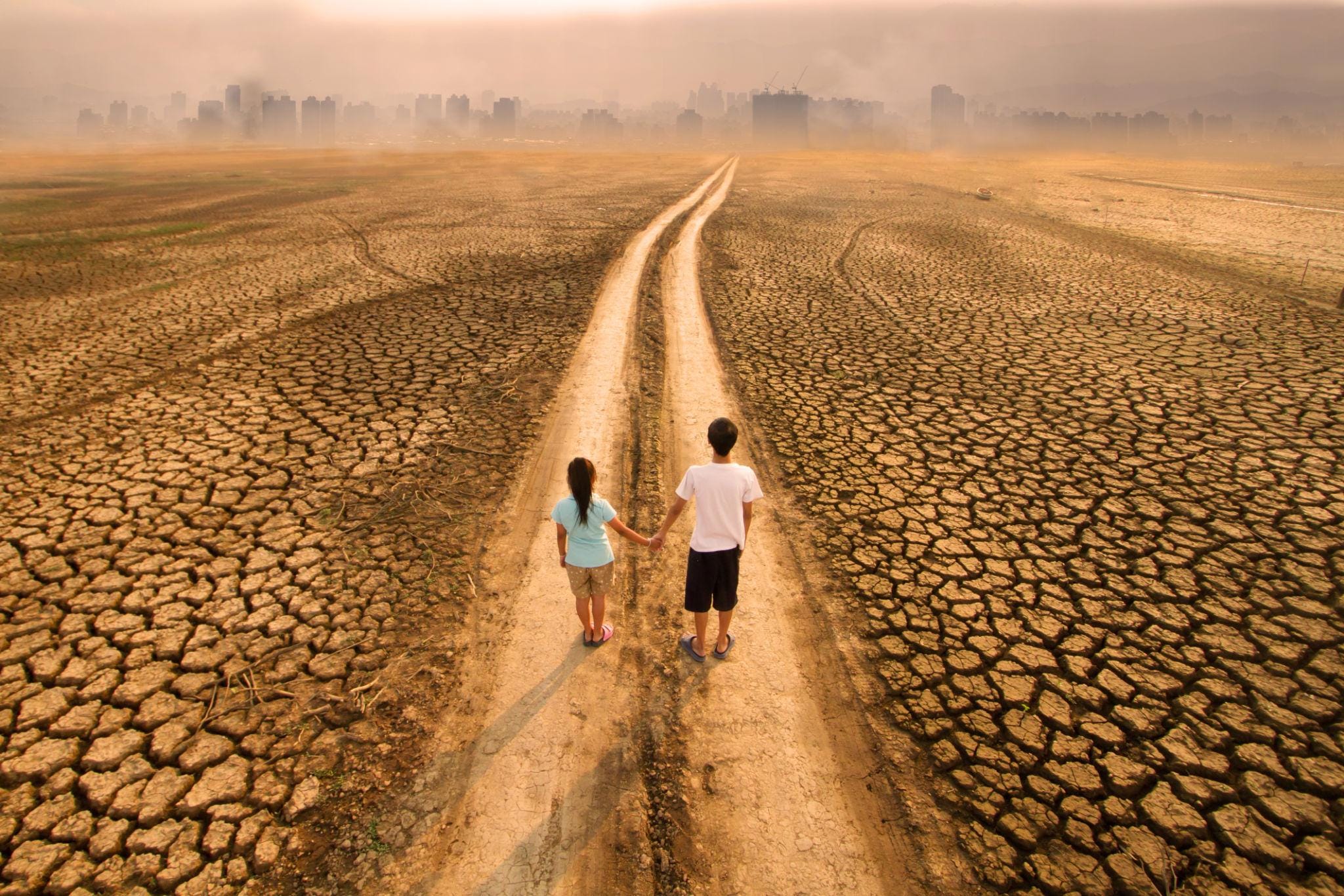
A child born today may grow up breathing wildfire smoke before understanding what a forest is.
One of the most historically unprecedented aspects of the Sixth Mass Extinction is that entire generations are now growing up inside conditions of chronic ecological and civilizational instability before adulthood has fully begun.
Every generation inherits anxiety in some form. Human history has never been free from war, disease, uncertainty, mortality, or upheaval. But many younger people today inherit something psychologically different: instability itself increasingly becomes the background atmosphere of development.
For growing numbers of children, ecological disruption is not experienced as an abstract future possibility discussed occasionally by scientists or activists. It forms part of ordinary consciousness from the beginning of life. Smoke-filled summers, extreme weather events, climate warnings, disappearing biodiversity, political dysfunction, economic precarity, school shooting drills, algorithmic hyperstimulation, and chronic digital immersion increasingly surround development simultaneously.
The result is not merely fear.
It is the normalization of instability.
This distinction matters psychologically because human beings develop their relationship to reality partly through the emotional atmosphere surrounding childhood. Earlier generations often inherited some underlying assumption that the future, despite its dangers, remained broadly stable and trustworthy. Many younger generations increasingly inherit a different emotional structure entirely.
The future itself often feels psychologically unstable before it becomes conceptually understood.
Many young people now encounter ecological anxiety, technological saturation, social fragmentation, and civilizational uncertainty simultaneously while still developing the psychological structures necessary to metabolize them maturely. Anxiety becomes ambient. Dread becomes atmospheric. The nervous system absorbs instability long before the intellect fully organizes it into coherent language.
Digital immersion intensifies this condition further. Human beings evolved within embodied communities and local realities, yet many children now encounter planetary instability continuously through screens before developing sustained relationship with the living world itself. Entire childhoods increasingly unfold inside technologically saturated environments where algorithms compete constantly for attention while experiences of stillness, ecological participation, embodiment, and unstructured relational life steadily diminish.
Many children can navigate digital interfaces more easily than forests.
Many inherit representations of nature more often than lived relationship with it.
This matters existentially because human beings require more than information in order to develop psychological grounding. They require participation in reality itself. They require sensory relationship to the living world, experiences of continuity extending beyond technological stimulation, and connection to realities not organized entirely around consumption, distraction, optimization, or performance.
Without these conditions, psychological fragmentation intensifies.
The tragedy is not only ecological.
It is developmental.
Entire generations increasingly inherit conditions that make existential grounding more difficult precisely at the historical moment existential grounding becomes most necessary.
This does not mean younger generations are doomed or incapable of resilience. In some ways, many younger people already display remarkable psychological awareness about realities previous generations could avoid more easily. They often recognize ecological vulnerability, institutional instability, mental health struggles, and systemic dysfunction with unusual clarity.
But clarity without grounding can become psychologically overwhelming.
Awareness without meaning can collapse into despair.
Information without orientation can produce paralysis.
This may ultimately become one of the defining existential questions of the century:
What does it mean for human beings to raise children inside a civilization increasingly uncertain about its own future? Because every civilization ultimately reveals itself through what it hands to the next generation. And one of the deepest moral questions surrounding the Sixth Mass Extinction is not only what kind of planet humanity is leaving behind.
It is what kind of psychological inheritance younger generations are being asked to carry.
Psychological Deforestation
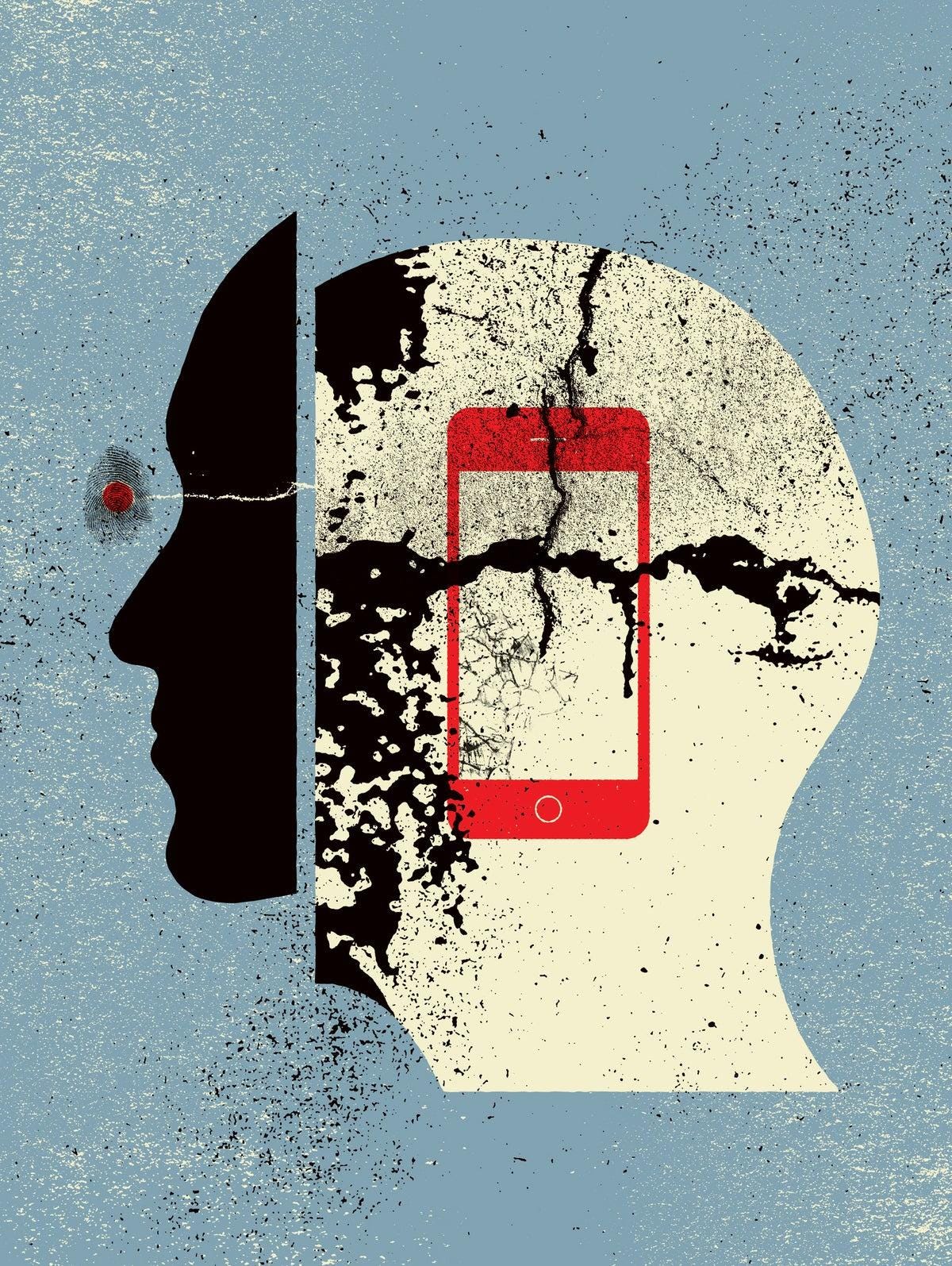
The ecological crisis is often framed as a technological problem, an economic problem, or a policy problem. But beneath all of these lies something far more difficult for modern civilization to confront honestly: the ecological crisis also reflects a profound disorder in human consciousness itself.
Civilizations do not destabilize planetary ecosystems accidentally. A culture capable of consuming forests, acidifying oceans, collapsing biodiversity, destabilizing climates, industrializing animal suffering, poisoning water systems, and exhausting ecological foundations in pursuit of endless expansion reveals something psychologically distorted about how it understands reality, desire, fulfillment, and progress.
The ecological crisis is also a crisis of consciousness.
Modern industrial civilization increasingly conditions human beings to relate to existence through extraction. Nature becomes valuable primarily for what can be consumed, monetized, optimized, or transformed into economic growth. Human attention becomes commodified. Human relationships become transactional. Time itself becomes organized around productivity, efficiency, and acceleration.
This is not merely an economic arrangement.
It is a psychological formation.
Modern individuals are increasingly socialized into identities organized around perpetual dissatisfaction. Consumer capitalism depends upon the continual manufacturing of desire because stable satisfaction weakens consumption. Entire industries therefore operate by amplifying insecurity, inadequacy, comparison, stimulation, distraction, and emotional dependency. People are taught to pursue meaning through acquisition, visibility, entertainment, productivity, and endless self-optimization.
But existential emptiness cannot ultimately be resolved through consumption.
Industrial modernity created the temporary illusion that limits themselves had been overcome. For most of human history, human beings lived with direct awareness of ecological dependence, seasonality, mortality, scarcity, and environmental constraint. Industrial civilization radically altered this psychological relationship to reality.
The sudden availability of immense fossil fuel energy produced conditions of abundance and expansion unprecedented in scale. Entire societies became organized around assumptions of perpetual growth, accelerating consumption, and technological transcendence. Human beings increasingly treated endless expansion not merely as an economic strategy, but as a civilizational expectation.
This produced profound psychological consequences.
A culture organized around endless expansion gradually loses the ability to metabolize limits psychologically. Limitation begins feeling intolerable. Stillness becomes threatening. Sufficiency feels inadequate. Consumption becomes identity. Human beings increasingly experience themselves less as participants within living systems and more as entitled consumers moving through an infinite field of objects for personal use.
Yet no ecological system functions this way.
Every living system on Earth exists through balance, reciprocity, adaptation, interdependence, and limitation. Industrial civilization increasingly behaves as though humanity alone can permanently exempt itself from these realities.
The ecological crisis is now exposing the consequences of that illusion.
Modern civilization increasingly produces what might be called psychological deforestation. Human interior life becomes progressively stripped of stillness, depth, reflection, continuity, and rootedness. Attention fragments beneath conditions of overstimulation, technological saturation, compulsive productivity, and perpetual distraction. Human beings lose not only ecological forests, but inner forests as well.
There is something historically surreal about modern civilization: human beings stare into glowing handheld devices while oceans warm, forests burn, species disappear, and ecosystems destabilize around them in real time. Never before has a civilization possessed such immense access to information while simultaneously developing such powerful systems of distraction. Humanity has become capable of witnessing planetary destabilization continuously while remaining psychologically fragmented enough to scroll past it between moments of entertainment, outrage, advertising, and self-display.
Productivity becomes identity. Busyness becomes avoidance. Endless stimulation prevents confrontation with emptiness while simultaneously deepening it.
This fragmentation carries ecological consequences. A civilization emotionally disconnected from limits eventually behaves as though limits themselves are intolerable. A culture unable to tolerate stillness seeks permanent expansion. A society organized around compulsive consumption normalizes extraction as a way of life.
The ecological crisis is therefore inseparable from a broader crisis of relationship.
Human beings have become estranged not only from nature, but from embodiment, mortality, community, continuity, and reality itself. Modern civilization increasingly rewards abstraction over groundedness, stimulation over depth, speed over reflection, and domination over reciprocity.
This estrangement produces forms of suffering that appear disconnected on the surface but are deeply related underneath:
burnout,
loneliness,
addiction,
anxiety,
numbness,
meaninglessness,
attention fragmentation,
identity instability,
and chronic existential exhaustion.
These are not isolated mental health problems occurring alongside ecological collapse. They are interconnected expressions of the same civilizational condition. A civilization disconnected from reality eventually becomes destructive both psychologically and ecologically.
Perhaps the deepest tragedy is not only that humanity destabilizes ecosystems, but that modern civilization often prevents people from fully experiencing the beauty of what is being lost in the first place.
Many individuals now inherit diminished biodiversity as normal. They experience nature primarily through images rather than participation. They consume representations of life while remaining increasingly estranged from life itself.
A civilization capable of producing extraordinary art, scientific brilliance, literature, music, medicine, and technological achievement simultaneously becomes capable of eroding the ecological foundations supporting its own existence.
This contradiction may define modernity more than any technological accomplishment ever could.
And perhaps this is one of the hardest truths modern culture struggles to confront: humanity’s ecological crisis may ultimately reveal not merely a failure of policy or technology, but a failure of consciousness.
Remaining Human Inside the Breakdown

The Sixth Mass Extinction is forcing humanity into confrontation with a reality modern civilization has spent generations attempting to avoid: human beings are vulnerable, interdependent, finite creatures living inside systems they do not fully control. Ecological destabilization strips away many of the psychological assumptions industrial societies quietly depend upon. The future no longer feels guaranteed in the same way. Continuity no longer feels unquestionable. Stability no longer feels permanent. Entire populations increasingly live with chronic awareness, whether conscious or half-conscious, that the surrounding systems organizing modern life may themselves be fragile.
This has profound existential consequences because human beings do not require only physical survival in order to remain psychologically functional. They also require orientation, continuity, meaning, and some coherent relationship to reality itself. When these weaken simultaneously, individuals often experience forms of distress that exceed ordinary anxiety or stress. The crisis becomes existential because it destabilizes the structures through which people experience life as intelligible, inhabitable, and psychologically sustainable.
This is precisely why existential health becomes increasingly important in an age of ecological instability.
Modern culture often frames psychological health primarily in terms of comfort, optimization, functionality, or emotional regulation. Existential health concerns something deeper: the capacity to remain psychologically grounded within reality, including realities that are painful, uncertain, unstable, or uncontrollable. This becomes especially important during periods of civilizational instability because ecological destabilization confronts humanity with vulnerability at precisely the same moment many modern societies have weakened people’s ability to tolerate vulnerability psychologically.
The capacity to tolerate uncertainty without paralysis.
The capacity to remain emotionally present to grief without collapsing into hopelessness.
The capacity to sustain meaning without requiring guarantees.
These capacities are not abstract philosophical luxuries. They may become essential psychological competencies within the twenty-first century.
One of the most psychologically destabilizing aspects of ecological collapse is that it disrupts humanity’s relationship to permanence. Modern civilization has conditioned us to unconsciously expect continuity: stable institutions, predictable futures, economic growth, technological advancement, and the ongoing expansion of comfort and convenience. Ecological instability weakens these assumptions.
We now live inside what could be described as the exhaustion of permanence. Institutions once experienced as durable increasingly appear fragile. Stable futures become harder to imagine. Continuity weakens psychologically even when ordinary life outwardly continues. Human beings begin sensing, often half-consciously, that the surrounding systems organizing reality may no longer be historically secure.
As a result, many individuals increasingly experience chronic anticipatory anxiety about the future itself.
Existential health is not built upon illusions of permanence, but upon a mature relationship to impermanence. It involves learning how to remain psychologically coherent without requiring the world to become permanently controllable first.
This requires a different relationship to uncertainty itself. The psychologically mature response is therefore not absolute certainty, nor passive resignation.
It is grounded participation.
Grounded participation means remaining capable of meaningful action even when outcomes remain uncertain. It means acting responsibly without fantasies of omnipotence. It means refusing both nihilistic paralysis and delusional control narratives. It means understanding that meaning does not require guarantees in order to remain real.
This becomes especially important when confronting ecological grief.
Many people increasingly carry forms of grief they struggle to name. There is grief for disappearing species, collapsing ecosystems, burning forests, dying oceans, and destabilized climates. But there is also grief for continuity itself. Grief for beauty. Grief for future orientation. Grief for a world that once felt more stable, more trustworthy, more alive, and more capable of holding meaningful human life across generations.
Modern societies often lack structures capable of helping individuals metabolize this grief honestly. As a result, grief frequently mutates into numbness, cynicism, compulsive distraction, hopelessness, ideological extremism, or emotional shutdown. People either avoid the reality entirely or become psychologically consumed by it.
Existential health requires another path. Beyond both denial and despair. It’s the capacity to remain emotionally available to reality without surrendering one’s humanity in the process.
This may ultimately become one of the defining psychological tasks of the century: learning how to remain fully human within conditions of instability.
And remaining fully human involves more than survival.
Human beings do not remain psychologically alive through survival alone. They remain alive through relationship: relationship to beauty, meaning, love, memory, embodiment, and participation in realities larger than the isolated self. A person standing beneath old-growth trees, watching migrating birds cross autumn skies, or sitting silently beneath visible stars participates in something ancient within the human experience itself.
Existential health therefore involves more than managing anxiety inside unstable conditions.
It involves preserving the human capacity for reverence within a civilization increasingly organized around distraction, speed, consumption, and abstraction.
It involves loving despite uncertainty.
Finding beauty despite impermanence.
Remaining responsible despite limitation.
Continuing to care despite vulnerability.
Creating meaning despite mortality.
Existential health therefore cannot be reduced to self-help, emotional coping strategies, or personal wellness culture. Existential health operates at a deeper level.
It concerns whether human beings are developing forms of consciousness capable of sustaining coherent life within reality rather than against it.
This includes rebuilding forms of groundedness modern civilization has progressively weakened. Embodiment becomes important because modern life increasingly pulls human beings into states of chronic abstraction, technological mediation, and nervous-system overstimulation.
Direct relationship with ecological reality matters because people psychologically deteriorate when severed from sustained participation in the living world. Awareness of mortality matters because avoidance of death often intensifies shallow living, compulsive consumption, and existential fearfulness. Community matters because isolated individuals struggle to metabolize instability alone.
Existential health also requires recovering the capacity for attention itself.
One of the least discussed consequences of modern technological culture is the fragmentation of human attention. Human awareness becomes continuously captured, fragmented, monetized, and redirected toward systems designed to maximize engagement rather than existential grounding. Human beings become flooded with information while increasingly deprived of orientation.
But meaningful existence requires sustained contact with reality.
Without attention, there can be no depth.
Without depth, there can be no wisdom.
Without wisdom, technological power becomes increasingly dangerous.
This may ultimately be one of the deepest dimensions of the ecological crisis: humanity’s technological capacities have expanded far more rapidly than humanity’s existential maturity.
The result is a civilization capable of extraordinary innovation while remaining psychologically unprepared for the consequences of its own power.
And this is why existential health matters historically, not merely personally.
The future of humanity may depend not only upon technological adaptation or political reform, but upon whether enough human beings develop the psychological and existential capacities necessary to confront reality honestly, metabolize instability maturely, resist nihilism and delusion simultaneously, and remain capable of meaningful participation within an impermanent world.
Because ecological collapse is not only testing infrastructure, economies, or political systems.
It is testing the structure of human consciousness itself.
Can Human Consciousness Survive Human Power?

The deepest challenge of the Sixth Mass Extinction may not ultimately be whether humanity survives biologically, but whether humanity develops forms of consciousness capable of sustaining meaningful life within reality rather than against it.
This is the deeper civilizational question hidden beneath the ecological crisis.
Modern societies often frame environmental collapse primarily through technological, political, or economic language. The discussions revolve around emissions targets, renewable energy transitions, policy frameworks, green technologies, resource management, carbon markets, and sustainability models. These conversations matter. But they can also obscure something more fundamental: ecological collapse is revealing profound distortions in how human beings understand themselves, reality, progress, desire, and the purpose of civilization itself.
A civilization does not destabilize planetary ecosystems solely because it lacks information.
Humanity already possesses extraordinary scientific knowledge about ecological systems, climate dynamics, biodiversity loss, and environmental degradation. The crisis persists not because human beings are entirely ignorant, but because knowledge alone does not guarantee wisdom. Intelligence alone does not produce maturity. Technological sophistication alone does not produce psychological depth, restraint, humility, or existential coherence.
The ecological crisis is therefore not merely a failure of systems. It reveals a deeper failure in how modern civilization relates to reality itself. Ecological collapse reveals distortions in how modern civilization relates to reality itself.
At the center of modern industrial civilization lies a particular orientation toward reality itself: the assumption that nature exists primarily for extraction, expansion, optimization, and consumption. The living world becomes raw material for economic growth. Forests become inventory. Oceans become production systems. Animals become industrial units. Human attention becomes monetized data. Even human identity increasingly becomes shaped through consumption, performance, visibility, and perpetual self-construction.
This orientation is not psychologically neutral.
It conditions human beings into a particular relationship with existence: one increasingly organized around domination rather than participation, appetite rather than reverence, accumulation rather than sufficiency, stimulation rather than depth, and control rather than humility.
The signs of ecological destabilization increasingly surround ordinary life. Rivers run lower. Summers grow hotter. Seasons behave unpredictably. Once-common species disappear quietly from familiar landscapes. Forest fire smoke drifts across continents. Coral reefs die beneath warming oceans. Migratory patterns shift. Weather grows more erratic. Entire populations increasingly inhabit environments where ecological instability is no longer theoretical, but sensory.
And this may ultimately alter human consciousness more profoundly than modern civilization yet understands.
But beneath the ecological consequences lie existential ones.
A civilization organized around perpetual extraction eventually produces individuals psychologically conditioned toward endless appetite. Human beings increasingly struggle to experience satisfaction because entire systems depend economically upon chronic dissatisfaction. Consumer culture trains people to pursue fulfillment through accumulation while simultaneously deepening emptiness. Technology accelerates stimulation while weakening sustained attention. Hyper-individualism weakens communal continuity and relational depth. Digital life amplifies performance while diminishing grounded presence. Human beings become increasingly disconnected not only from ecological reality, but from embodiment, mortality, stillness, and meaningful participation in life itself.
The result is a civilization materially advanced yet existentially disoriented.
In many ways, humanity now resembles a species possessing immense technological power while remaining emotionally and existentially underdeveloped in its relationship to that power. Industrial civilization may ultimately represent a form of species-level adolescence: extraordinary capability combined with insufficient maturity, restraint, foresight, and psychological integration.
Never before has a species possessed the ability to alter atmospheric chemistry, destabilize oceanic systems, eliminate biodiversity at planetary scale, industrialize extraction across continents, and technologically mediate nearly every dimension of human life simultaneously. Human civilization achieved capacities once unimaginable within an extraordinarily compressed historical timeframe. In only a few centuries, industrial modernity transformed human beings from relatively localized ecological participants into a planetary force capable of reshaping the biosphere itself.
Yet psychological evolution moves far more slowly than technological development.
Human nervous systems remain shaped by evolutionary conditions vastly older than industrial civilization. Human beings still carry tribal impulses, status drives, appetites, and short-term survival mechanisms formed long before planetary technological systems existed.
This may ultimately be the central human dilemma of the twenty-first century.
Humanity has become powerful enough to destabilize planetary systems before becoming wise enough to govern that power responsibly.
Human beings have learned to manipulate planetary systems before learning how to govern appetite. Civilization has mastered technological acceleration without mastering wisdom, restraint, or existential responsibility.
The Sixth Mass Extinction exposes this imbalance mercilessly.
And it forces humanity into confrontation with a difficult truth: ecological sustainability may ultimately require psychological and spiritual transformations modern civilization has largely resisted.
Not spirituality in the sense of dogma or supernatural certainty.
But spirituality in the deeper existential sense: the recovery of humility before reality, reverence for existence, participation in something larger than the isolated self, and recognition of interdependence as a condition of life itself.
The future may therefore depend upon whether humanity can recover forms of consciousness grounded in participation rather than domination.
Humility rather than civilizational arrogance.
Reverence rather than compulsive consumption.
Maturity rather than perpetual appetite.
Embodiment rather than abstraction.
Interdependence rather than radical isolation.
Reality rather than ideological fantasy.
Presence rather than chronic distraction.
These shifts are not sentimental moral preferences. They may represent developmental necessities within a civilization confronting ecological limits for the first time on a planetary scale.
Because the ecological crisis is not simply asking whether humanity can invent better technologies.
It is asking whether human beings can develop the maturity required to live responsibly within limits rather than endlessly attempting to transcend them.
Modern civilization often treats limits as enemies to overcome. Yet every living system on Earth exists through relationship with limits. Ecological systems sustain themselves through balance, reciprocity, adaptation, and interdependence. Human civilization increasingly behaves as though infinite expansion on a finite planet represents not merely an economic goal, but a civilizational entitlement.
The Sixth Mass Extinction reveals the consequences of this illusion.
Yet even here, there remains the possibility of another kind of human future.
Humanity remains a profoundly unfinished species.
The same civilization capable of ecological destruction is also capable of extraordinary compassion, creativity, intelligence, sacrifice, and moral awakening. Human beings have composed requiems, mapped galaxies, cared for strangers, written poetry, rescued one another from catastrophe, created art of immense beauty, and searched relentlessly for meaning inside an indifferent universe. Even now, amid destabilization, countless people continue planting trees, restoring ecosystems, protecting species, caring for communities, raising children, creating beauty, and attempting to live responsibly within realities they did not choose.
No utopian future waits beyond mortality, fragility, uncertainty, or impermanence.
But the possibility that humanity could become more psychologically honest, existentially mature, ecologically grounded, and relationally awake precisely through confrontation with its own limits.
Civilizations often reveal their deepest values not during periods of abundance and expansion, but during periods of destabilization and constraint. Crisis strips away illusion. It exposes what forms of consciousness societies have actually cultivated underneath prosperity, distraction, and technological power.
The ecological crisis may therefore become one of humanity’s great developmental tests.
Can human beings remain capable of beauty within instability?
Can they remain capable of responsibility without guarantees?
Can they remain capable of meaning without permanent certainty?
Can they confront mortality without collapsing into nihilism?
Can they rediscover participation in reality after centuries of estrangement from it?
These questions may ultimately matter as much as atmospheric carbon levels or technological adaptation because civilizations are shaped not only by infrastructure and economics, but by the quality of consciousness animating them.
And consciousness determines how human beings relate to power, desire, vulnerability, mortality, one another, and the living world itself.
The Sixth Mass Extinction is therefore not only about vanishing species. It is about whether human beings can rediscover how to belong to reality again.
Human beings once looked at the night sky and understood instinctively that they belonged to something immeasurably larger than themselves. Modern civilization taught many people to experience the world instead as inventory, machinery, and utility.
The Sixth Mass Extinction may ultimately force humanity into remembering what industrial modernity encouraged it to forget: that life is not an object to dominate, but a relationship to participate in carefully, humbly, and temporarily.
We emerged from a living world we did not create and cannot fully control. Whether human civilization endures or not, the deeper question may be whether we can learn, before it is too late, how to belong to existence without destroying the conditions that make belonging possible.
The Sixth Mass Extinction is not only testing whether human civilization can survive. It is testing whether human consciousness can mature fast enough to deserve its own power.
If my writing resonates with you, I invite you to become a paid subscriber. Your support helps sustain this work and allows me to continue exploring the psychological, existential, and civilizational questions shaping modern life.
Paid subscribers also receive complimentary membership to the Center for Non-Religious Spirituality (CNRS), including access to courses, discussions, community spaces, live gatherings, and a growing library of existential health resources designed to help people navigate meaning, identity, uncertainty, and being human in a rapidly changing world.
As Rod Sterling might have said, “Imagine, if you will, a life-form so fixed on fantasies it has even been willing to destroy it’s own life support system in the support of those fantasies”.
Jim, this is the most important and informational packed talk. You have put together since I’ve been following you these most wonderful years. I was struck by the fact that this particular talk is not about religion but about life. I usually underline things I read that I like and except I would have to underline everything in this talk. It was absolutely fabulous and I agree with it 100%. The one thing that I think is needed is your intelligence and comments about what we do about the problems that you laid out in this talk. What can humanity do to come together to solve The problems you bring up in this talk? After one hope you’re working on that and we look forward to reading it. Keep up the good work, sir.